The Final Stretch: Why Last-Mile Delivery Requires Specialized Insurance
As e-commerce booms, the final leg of the supply chain is under more pressure than ever. Here is how to protect your last-mile delivery operation from unique liability and cargo risks.
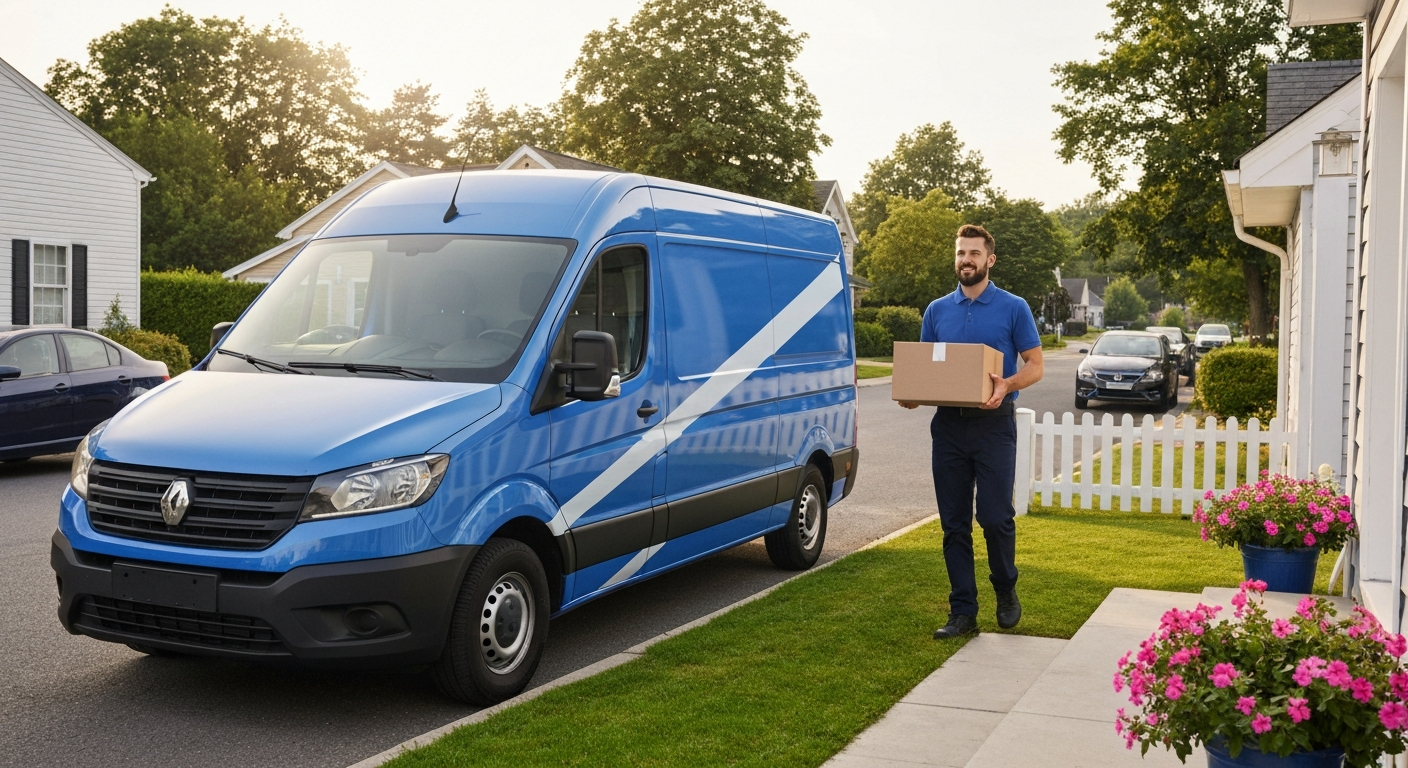
Table of Contents
"Last-mile delivery" is the most critical, expensive, and risk-prone segment of the modern supply chain. Whether you operate a fleet of box trucks, cargo vans, or manage independent contractors, the final stretch to the customer's doorstep brings a unique set of hazards that standard commercial auto policies often miss.
The Unique Risks of the Last Mile
Unlike long-haul trucking, which primarily deals with highway miles and terminal-to-terminal logistics, last-mile delivery happens in unpredictable environments. Drivers are navigating tight residential streets, dealing with heavy pedestrian traffic, making frequent stops, and physically carrying goods onto private property.
- High-Frequency Stops: More stops mean more opportunities for backing accidents, parking lot fender benders, and vehicle theft while the driver is away from the cab.
- Residential Hazards: Navigating cul-de-sacs, avoiding parked cars, and dealing with unpredictable pedestrian and pet behavior.
- Property Damage: The risk of a driver damaging a customer's landscaping, driveway, or home exterior while delivering bulky items.
- Tight Deadlines: The pressure to meet strict delivery windows can lead to rushed driving and increased accident frequency.
The Independent Contractor Dilemma
Many last-mile operations rely on independent contractors (1099 workers) driving their own vehicles. If your business directs their work, you can still be held liable for their accidents. This requires specific coverage like Hired and Non-Owned Auto (HNOA) insurance to protect the business entity. For a deeper comparison of how business and personal auto coverage differ, see our guide on commercial auto vs. personal auto insurance.
Essential Coverages for Delivery Operations
1. Commercial Auto Liability
This is the foundation of any delivery insurance program. It covers bodily injury and property damage if your driver is at fault in an accident. Because delivery vehicles operate in high-traffic residential and urban areas, carrying adequate liability limits is crucial to protect your company's assets from catastrophic lawsuits.
2. Motor Truck Cargo Insurance
Last-mile delivery involves constant handling, loading, and unloading of goods. Cargo insurance protects the value of the freight you are hauling against theft, damage, or loss. For last-mile carriers handling high-value electronics, medical supplies, or white-glove furniture delivery, specialized cargo limits are essential.
3. General Liability
Commercial Auto covers what happens on the road, but what happens when the driver steps out of the vehicle? If a driver drops a heavy package and damages a customer's porch, or if a customer trips over a package left in a walkway, General Liability steps in to cover third-party property damage and bodily injury claims.
4. Workers' Compensation & Occupational Accident
Delivery driving is physically demanding. Strains, sprains, and slip-and-falls are incredibly common. If you have W-2 employees, Workers' Compensation is legally required. If you use 1099 contractors, Occupational Accident (Occ/Acc) coverage can provide a safety net for work-related injuries without classifying them as employees.
Ready to Secure Your Fleet?
Don't let a gap in your last-mile coverage derail your logistics business. TrueGuard Insurance specializes in structuring comprehensive programs for delivery fleets of all sizes.
How to Lower Your Last-Mile Insurance Costs
Insurance is often one of the top three expenses for a delivery operation. To keep premiums manageable, carriers must demonstrate a commitment to safety and risk management:
- Telematics & Dash Cams: Installing inward and outward-facing cameras helps exonerate drivers in not-at-fault accidents and provides data for coaching.
- Strict Hiring Criteria: Implementing rigorous MVR (Motor Vehicle Record) checks and maintaining a clear threshold for acceptable driving histories.
- Continuous Training: Regular safety meetings focused on backing techniques, intersection awareness, and proper lifting mechanics.
- Vehicle Maintenance: Documented, preventative maintenance programs reduce the risk of accidents caused by equipment failure.
Partner with a Logistics Insurance Expert
The last mile is too complex for a standard, off-the-shelf commercial auto policy. You need a broker who understands the difference between an Amazon Relay contractor, a FedEx Ground ISP, and a local courier service. At TrueGuard Insurance, we help last-mile operators across the region structure coverage that meets contract requirements while protecting the bottom line. For broader fleet insurance strategies, see our commercial auto fleet insurance guide, learn about box truck insurance in North Carolina, or dive into motor truck cargo insurance for NC truckers to understand cargo limits and exclusions.

Matt Nelson
Founder, TrueGuard Insurance. Licensed professional specializing in commercial trucking, construction equipment, and dealer programs across multiple states.
Related Articles
Commercial Auto & Fleet Insurance Guide
Everything you need to know about insuring a fleet — from coverage types to cost-saving strategies.
Read Article
Box Truck Insurance in North Carolina: The Complete Guide
From last-mile delivery to moving companies, learn how to properly insure your box truck operation in NC.
Read Article
Commercial Auto vs. Personal Auto Insurance
The critical differences between commercial and personal auto insurance for business owners.
Read Article