A customer may have selected the equipment, negotiated the purchase price, completed the credit application, and received financing approval — but that does not necessarily mean the lender is ready to fund.
Before money is released and the equipment can be delivered, several pieces of the transaction typically need to come together. One of the most important — and sometimes one of the last — is proof of insurance.
For equipment dealers, understanding the funding process can help prevent avoidable delays at delivery.
What Is Typically Needed to Fund an Equipment Finance Deal?
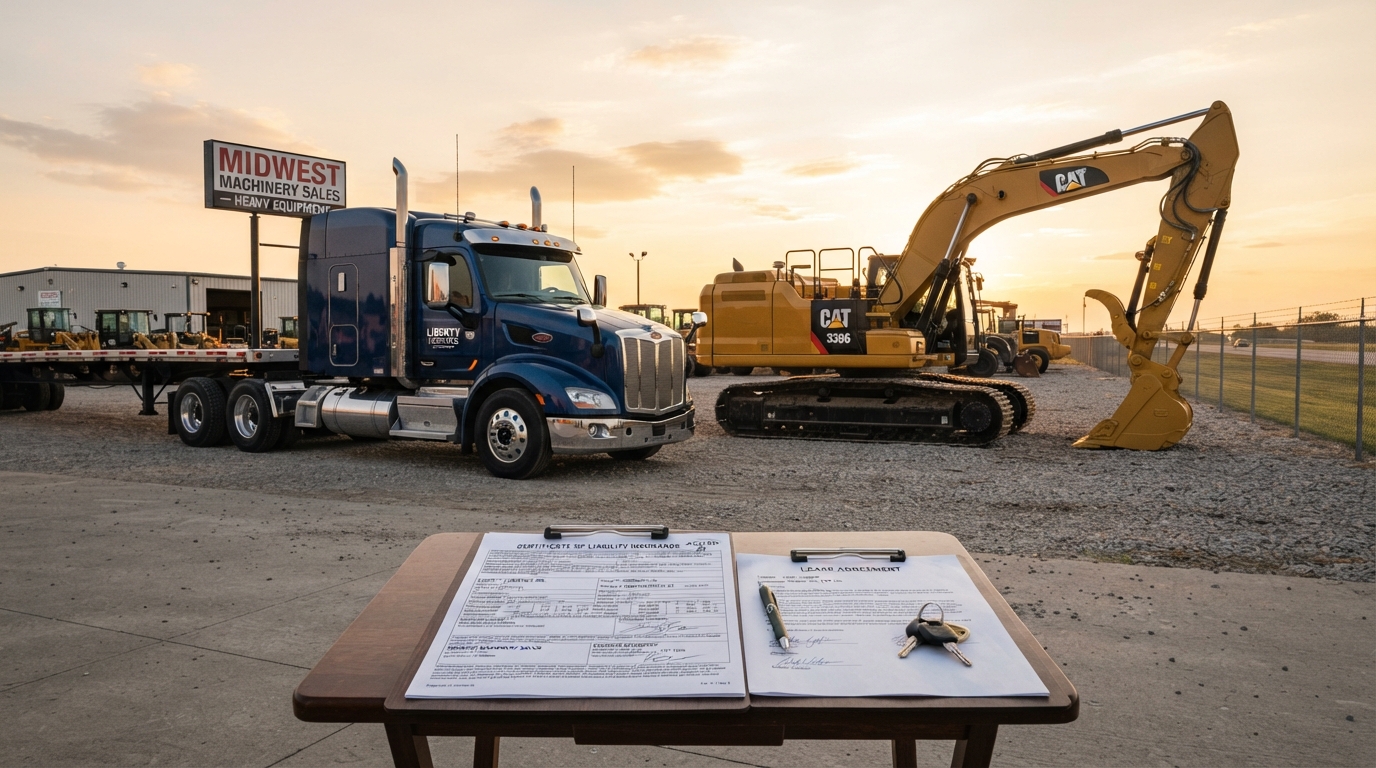
Requirements vary by lender and transaction, but a typical Class 8 truck or construction equipment finance deal may require:
A deal can be credit-approved and still be unable to fund if one of these requirements is missing.
That is why insurance should not be treated as an afterthought.
Why Insurance Can Become a Funding Bottleneck
Commercial truck and equipment lenders generally have a financial interest in the asset being financed. They want confirmation that the collateral is properly insured before releasing funds.
The problem is that insurance is often addressed late in the transaction.
The customer selects the equipment. Financing gets approved. Documents are prepared. Everyone is ready for delivery.
Then comes the request:
"We need proof of insurance before we can fund."
The customer may then have to contact an insurance agent, explain the equipment purchase, obtain a quote, purchase coverage, and have proof of insurance sent to the lender.
Depending on the customer's insurance situation and the type of equipment involved, that process can create an unexpected delay.
For a dealer trying to deliver a $75,000 skid steer, $200,000 excavator, or $250,000 Class 8 truck, an insurance delay can quickly become a sales problem.
Having Insurance Isn't Enough — The COI Has to Be Right
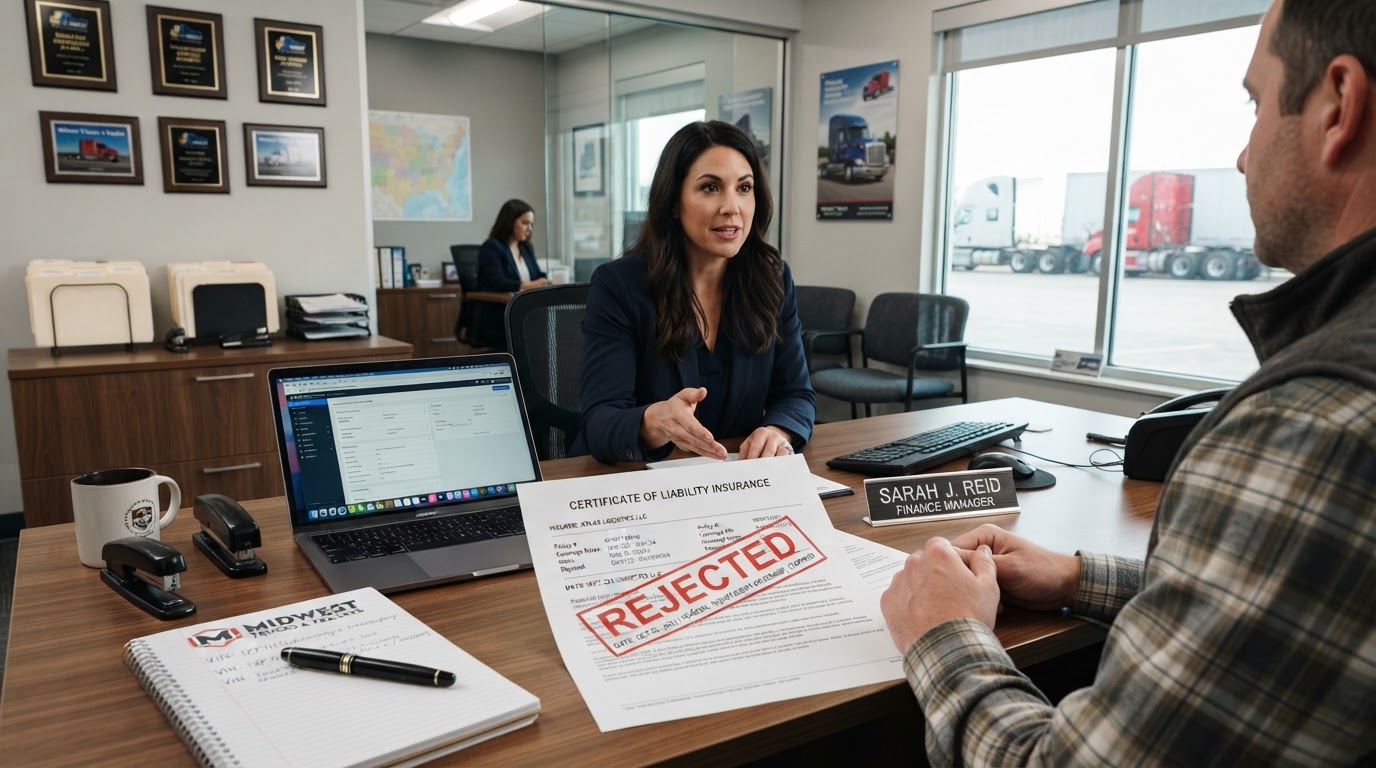
Another common issue is receiving a Certificate of Insurance for equipment financing that does not satisfy the lender's requirements.
A COI is more than a document showing that the customer purchased insurance. The information on it needs to accurately reflect the transaction and the lender's requirements.
Depending on the financing arrangement, that may include:
Correct named insured
The customer's legal name must match the finance documents exactly.
Correct equipment information
VIN or serial number, year, make, and model must all be accurate.
Appropriate physical damage coverage
The coverage type and limits must satisfy the lender's requirements for the financed asset.
Correct lender name, address & loss-payee designation
The lender's legal name and address must be correct, and they must be shown in the appropriate capacity — typically as loss payee.
Correct policy effective date & deductible info
The effective date must align with the funding timeline, and any deductible requirements must be met.
Additional wording or endorsements
Some lenders require specific endorsements or additional wording on the certificate.
A small error can matter.
An incorrect lender address, missing loss-payee designation, incorrect VIN or serial number, or other discrepancy may cause the lender to reject the certificate and request a corrected COI before funding.
That can mean additional emails, phone calls, and another delay while the dealer and customer wait.
Why Dealers Should Address Insurance Earlier
Dealers cannot control every part of a customer's financing process, but they can help make insurance less likely to become the final obstacle.
Instead of waiting until delivery day, dealers can identify the insurance requirement earlier in the sales and finance process. Building insurance into the sales process helps prevent avoidable delivery delays.
A simple question can help:
"Do you already have the insurance and proof of coverage your lender will require for this equipment?"
If the answer is no, there is still time to address it before delivery.
This is particularly valuable for customers purchasing their first piece of equipment, owner-operators buying a truck, new businesses, or customers whose existing insurance agent does not regularly handle construction equipment or commercial vehicles.
Construction Equipment Insurance at the Point of Sale
For eligible construction equipment transactions, TrueGuard Insurance offers dealers access to a construction equipment insurance solution designed to help simplify this part of the financing process.
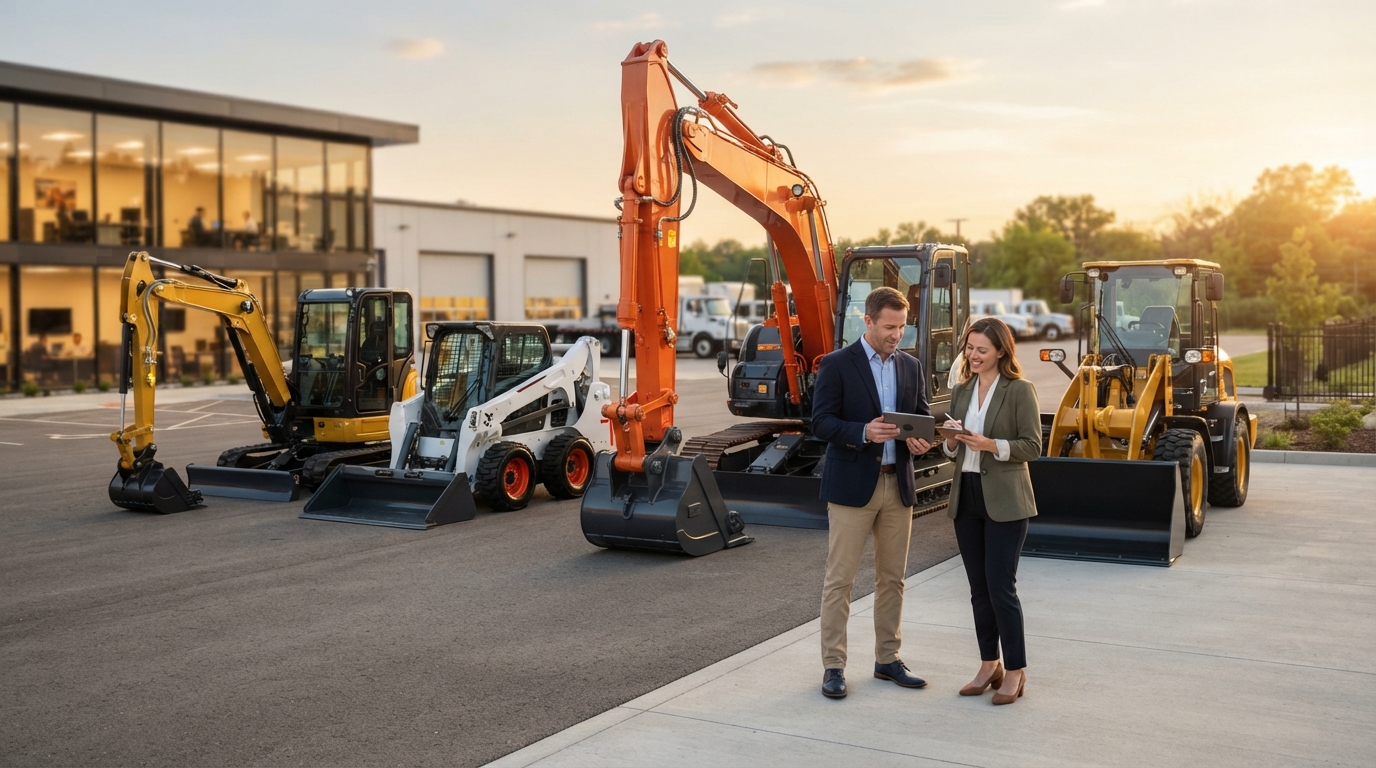
Eligible equipment can include many types of construction and compact equipment, such as:
The goal is straightforward: help the customer secure appropriate coverage and get the lender the documentation needed to keep the transaction moving.
For eligible risks, TrueGuard's construction equipment program can provide a streamlined quoting and binding process, including same-day COI issuance when coverage is bound and all required information is available.
Information Dealers Should Have Ready
When insurance is needed for a financed equipment transaction, having the basic information available can speed up the process.
Dealers should be prepared to provide information such as:
Customer Information
- Customer or business name
- Contact information
- Garaging or operating address
- Intended use of the equipment
Equipment Information
- Year
- Make
- Model
- VIN or serial number
- Purchase price
Financing Information
- Lender name
- Lender address
- Finance or lease term
- Required lienholder or loss-payee wording
Having this information available early can reduce back-and-forth communication when the transaction is approaching delivery.
The Goal: Credit Approved to Funded Without an Insurance Delay
For dealers, the sale is not truly complete when the customer says yes.
The equipment still has to be financed, funded, insured, and delivered.
When insurance is addressed early — and the COI is completed correctly the first time — it removes one more potential obstacle between an approved customer and a completed delivery.
For construction equipment dealers, TrueGuard Insurance works with dealers and their customers to help streamline physical damage insurance and proof-of-insurance requirements.
Need insurance for an upcoming construction equipment transaction?
TrueGuard Insurance can help determine eligibility, provide a quote, bind eligible coverage, and issue the documentation needed for the lender.
Coverage is subject to eligibility, underwriting guidelines, policy terms, conditions, exclusions, and availability.