Insurance Strategies for Winston-Salem Owner-Operators
How independent truckers in the Triad can build a robust insurance portfolio that protects their livelihood without breaking the bank.
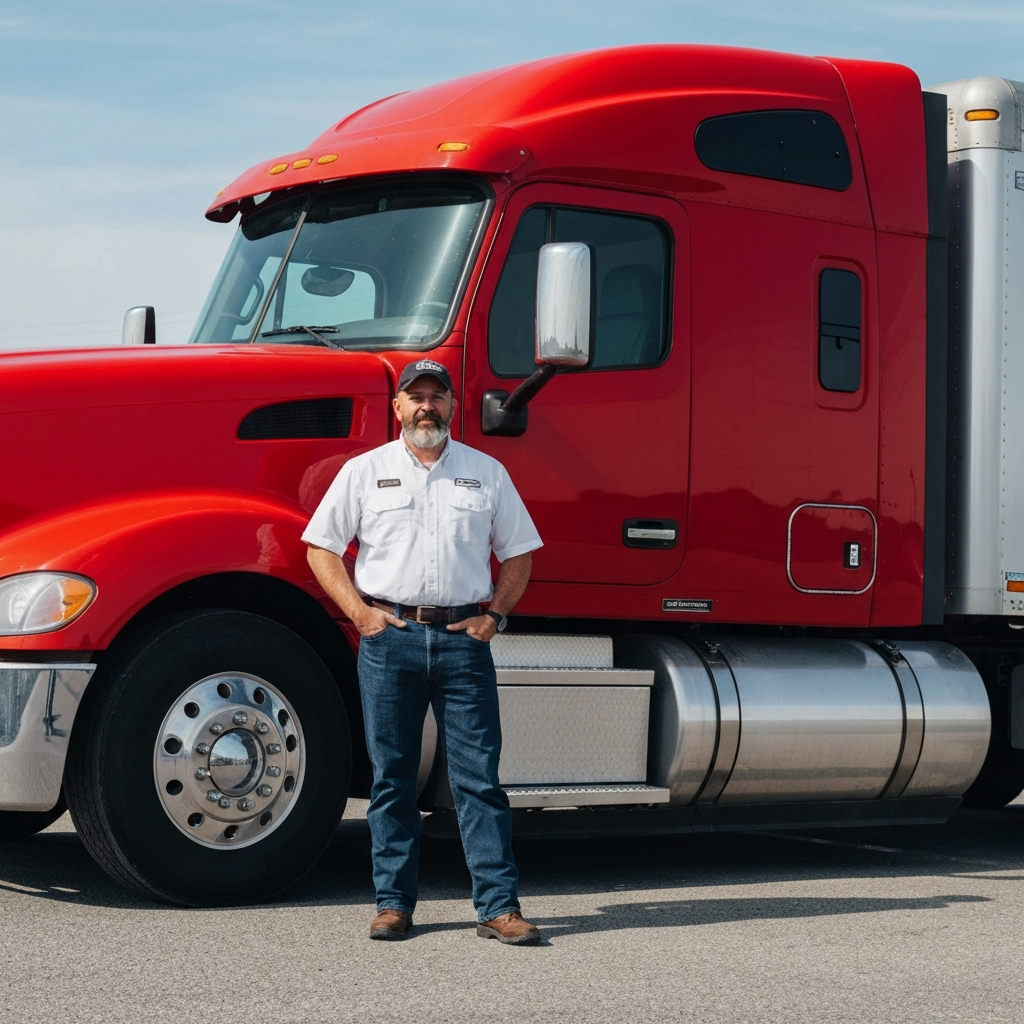
Being an owner-operator in Winston-Salem means you are both the driver and the business owner. Your truck is your livelihood. Whether you are operating under your own authority or leased to a motor carrier, having the right trucking insurance strategy is critical to your long-term success.
The Piedmont Triad is one of the busiest freight corridors on the East Coast, and owner-operators running out of Winston-Salem face a unique mix of opportunities and risks. The good news: you have access to strong regional freight lanes connecting I-40, I-85, and I-77. The challenge: a single uncovered loss — a stolen truck, a cargo claim, or an at-fault accident while bobtailing — can wipe out a year of profit if your insurance isn't structured correctly.
Operating Under Your Own Authority vs. Leased
Your insurance needs change dramatically based on how you operate. This is the single most important distinction for an owner-operator to understand, because it determines who carries primary liability and what gaps you must fill yourself.
Your Own Authority
You are responsible for all primary liability coverages required by the FMCSA, including the necessary filings (Form E, MCS-90) to keep your authority active.
- Primary Auto Liability
- Motor Truck Cargo
- Physical Damage
- Trailer Interchange (if applicable)
Leased to a Carrier
The carrier provides primary liability while dispatched, but you need coverage for the gaps — the moments when you're not under a load and the carrier's policy doesn't follow you.
- Non-Trucking Liability (Bobtail)
- Physical Damage
- Unladen Liability
- Occupational Accident
For a detailed breakdown of how bobtail and non-trucking liability work in North Carolina — and why confusing the two can leave you uninsured — see our guide on bobtail and non-trucking liability for NC owner-operators.
Crucial Coverages Often Overlooked
Many owner-operators focus solely on the minimum requirements to get on the road, but true protection requires looking at the bigger picture. These are the coverages that separate a well-protected operator from one living one claim away from financial trouble.
Physical Damage Insurance
If your truck is totaled, can you afford to replace it out of pocket? Physical damage coverage (Comprehensive and Collision) protects your most valuable asset. It's essential to insure your truck for its actual cash value or an agreed stated value to ensure you can get back on the road quickly after a major accident, theft, or weather event. Understand your deductible and whether the policy pays on a stated-value or actual-cash-value basis — that difference matters enormously at claim time.
Motor Truck Cargo Insurance
If you operate under your own authority, you're generally responsible for the freight you haul. Cargo insurance protects the value of the goods against theft, damage, or loss in transit. Limits should match the maximum value of the freight you carry, and you should understand whether your policy is primary or contingent. For a complete breakdown of limits, exclusions, and FMCSA cargo requirements, read our motor truck cargo insurance guide for NC truckers.
Occupational Accident Insurance
Since owner-operators are typically independent contractors, they are usually not covered by workers' compensation. Occupational accident insurance provides medical, disability, and death benefits if you are injured while on the job — a critical safety net that many operators overlook until they need it.
Non-Trucking Liability (Bobtail)
When you're leased to a carrier, their primary liability covers you while you're under dispatch with a loaded trailer. But when you're bobtailing to get fuel, driving home after a drop, or moving the truck for personal reasons, that coverage may not apply. Non-trucking liability fills that gap and is often required by the carrier's lease agreement.
Strategies to Manage Insurance Costs
Insurance is one of your largest fixed expenses. Here are strategies to keep costs manageable without sacrificing the protection your livelihood depends on:
- Maintain a Clean Record: Your MVR and CSA scores directly impact your premiums. Safe driving is the best discount available — and the most expensive thing to lose.
- Choose Higher Deductibles: If you have cash reserves, taking a higher deductible on physical damage can lower your monthly premium. Just make sure you can absorb the out-of-pocket cost if a loss occurs.
- Use Technology: Dash cams and telematics can sometimes qualify you for carrier discounts and protect you from fraudulent claims. Many Winston-Salem fleets now use ELD and camera systems — see how they factor into underwriting in our Triad trucking corridors guide.
- Bundle Coverages: Placing your liability, physical damage, cargo, and occupational accident with the same carrier or program can unlock multi-line discounts and simplify COI issuance.
- Work with a Specialist: Partner with an agency that specializes in trucking insurance, like TrueGuard. We know which carriers offer the best rates for your specific hauling profile and authority status.
Get a Custom Owner-Operator Policy
Let TrueGuard Insurance build a policy tailored to your exact needs as an owner-operator — whether you run under your own authority or are leased to a carrier. We compare rates from top A-rated carriers to get you the best coverage at the right price.
Matt Nelson
Founder, TrueGuard Insurance. Licensed professional specializing in commercial trucking, construction equipment, and dealer programs across multiple states.