Bobtail vs. Non-Trucking Liability Insurance for NC Owner-Operators: The Critical Difference That Can Save Your Business
If you are an owner-operator leased to a motor carrier in North Carolina, you have probably been told you need "bobtail" or "non-trucking" coverage. But these two coverages are not the same—and having the wrong one can mean a denied claim and a lawsuit you have to pay out of pocket. Here is the definitive guide to understanding the difference.
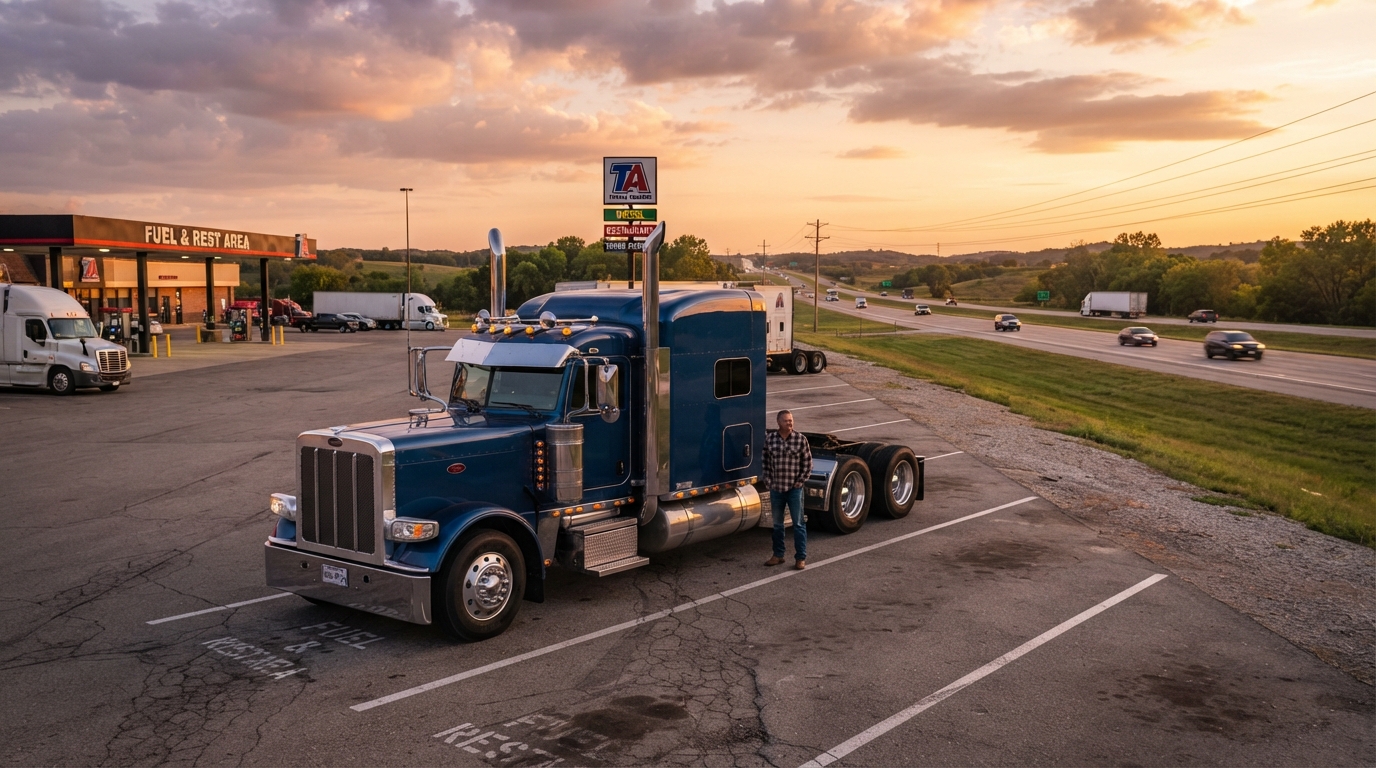
Bobtail vs. Non-Trucking: Quick Reference
- Bobtail Liability: Covers you when you are driving your truck without a trailer attached, regardless of whether you are under dispatch or on personal time.
- Non-Trucking Liability: Covers you only when you are driving outside the scope of your motor carrier's business—purely personal use, whether or not a trailer is attached.
- The wrong coverage = denied claim. If you have non-trucking liability and get into an accident while bobtailing to pick up a load, your claim will likely be denied.
- Typical cost: $400–$1,200/year for most NC owner-operators.
Why Owner-Operators Need Coverage Beyond the Motor Carrier's Policy
When you lease your truck to a motor carrier, the carrier's primary liability policy covers you while you are operating under their authority and hauling loads on their behalf. This is the Federal Motor Carrier Safety Administration (FMCSA) requirement—the carrier must maintain a minimum of $750,000 in auto liability coverage (or $1,000,000 for hazardous materials).
But the carrier's policy does not cover every moment you are behind the wheel. There are gaps—specifically, the periods when you are not actively hauling a load for the carrier. These gaps are where owner-operators get into trouble. If you cause an accident during one of these gap periods and have no coverage, you are personally responsible for the damages, which can easily reach hundreds of thousands of dollars.
This is why owner-operators need either bobtail liability or non-trucking liability insurance. The problem is that most owner-operators do not understand the difference between the two—and many insurance agents do not either. Buying the wrong coverage can leave you with a false sense of security and a denied claim when you need protection most.
What Is Bobtail Liability Insurance?
Bobtail liability insurance—sometimes called "deadhead" coverage—provides liability coverage when you are operating your truck without a trailer attached, regardless of whether you are under dispatch, returning from a delivery, or driving to pick up the next load. The key distinction is that bobtail coverage applies based on the physical status of the truck (no trailer), not the business status of the driver.
Here is when bobtail liability applies:
- You drop off a loaded trailer at a customer's facility in Greensboro and bobtail back to the carrier's terminal in Winston-Salem.
- You are driving to a shipper in Charlotte to pick up a load and do not yet have a trailer attached.
- You are returning from a delivery in Raleigh and driving without a trailer to the next pickup location.
- You are moving between terminals or yards without a trailer.
In all of these scenarios, the motor carrier's primary liability policy does not cover you because you are not actively hauling a loaded trailer under dispatch. Bobtail liability fills that gap.
What Is Non-Trucking Liability Insurance?
Non-trucking liability (NTL) insurance—sometimes called "unladen" coverage—provides liability coverage when you are operating your truck outside the scope of your motor carrier's business, for purely personal use. The key distinction is that NTL applies based on the purpose of the trip (personal vs. business), not the physical status of the truck.
Here is when non-trucking liability applies:
- You are driving your truck to the grocery store on your day off in Kernersville.
- You are using your truck to visit family in Lexington on a weekend.
- You are driving to a personal appointment and are not under dispatch.
- You are on home time and using the truck for personal errands.
Non-trucking liability is generally less expensive than bobtail liability because it covers a narrower set of circumstances—only personal use. But this narrower coverage is exactly why many owner-operators get claims denied.
The Trap: Non-Trucking Liability Is Not Bobtail Coverage
Many owner-operators purchase non-trucking liability thinking it covers them any time they are not hauling a load. It does not. If you have NTL and you get into an accident while bobtailing to pick up a load for your carrier, the NTL policy will likely deny the claim because the trip was business-related, not personal. The motor carrier's policy will also deny it because you are not hauling a loaded trailer. You are left with no coverage at all.
The Critical Difference: Side-by-Side Comparison
Here is the scenario that trips up most owner-operators: You drop off a trailer at a customer facility in Durham and are bobtailing to the next pickup in Raleigh. You are under dispatch—the carrier sent you to pick up the next load—but you do not have a trailer attached. You cause an accident on I-85.
If you have non-trucking liability in this scenario, you have no coverage from any policy. The other driver's injuries, vehicle damage, and any lawsuit are your personal responsibility. This is why understanding the difference is not academic—it is the difference between a covered claim and financial catastrophe.
Which Coverage Do You Need?
The coverage you need depends on your lease agreement with your motor carrier and how you use your truck when you are not hauling. Here is how to decide:
- If your lease agreement requires bobtail liability: Many motor carriers specifically require bobtail liability, not non-trucking liability, because they want their owner-operators covered during all non-hauling business operations. If your lease says "bobtail," you need bobtail.
- If you only use your truck for business under dispatch: If you never use your truck for personal errands and only drive it when hauling or bobtailing between loads for your carrier, bobtail liability is the right coverage. It covers the broader set of scenarios.
- If you use your truck for personal use on days off: If you drive your truck to the store, to visit family, or for other personal purposes, non-trucking liability covers those trips. But you should consider carrying both bobtail and non-trucking liability to ensure there are no gaps.
- If you are unsure: When in doubt, buy bobtail liability. It provides broader coverage and is more likely to respond when you need it. The premium difference is typically only $200–$500 per year.
Real-World Claim Scenarios for NC Owner-Operators
Bobtailing Between Loads
An owner-operator leased to a carrier in Winston-Salem drops off a loaded trailer at a customer in Greensboro and is bobtailing to the next pickup in High Point. On US-421, the truck rear-ends a passenger vehicle that stopped suddenly, causing $45,000 in vehicle damage and $80,000 in medical expenses for the other driver. Bobtail liability covers the full $125,000 claim. Non-trucking liability would have denied it because the trip was business-related.
Personal Use on a Day Off
An owner-operator in Mocksville uses his truck on a Saturday to drive to a hardware store for personal supplies. He backs into a parked car in the parking lot, causing $8,000 in damage. Non-trucking liability covers the claim because the trip was purely personal. Bobtail liability would also cover this because the truck is operating without a trailer—but NTL is the policy designed for this scenario.
The Coverage Gap Disaster
An owner-operator in Lexington has only non-trucking liability. After dropping off a load in Charlotte, he is bobtailing to the next pickup in Durham—under dispatch, but without a trailer. He causes a multi-vehicle accident on I-85 resulting in $350,000 in damages. The NTL policy denies the claim because the trip was business-related. The carrier's policy denies it because no loaded trailer is attached. The owner-operator is personally liable for $350,000.
How Much Does Bobtail or Non-Trucking Liability Cost in North Carolina?
Both coverages are relatively affordable compared to primary trucking liability. For most North Carolina owner-operators, the annual premiums are:
- Bobtail liability: $600–$1,200/year, depending on the driver's record, coverage limits, and the truck's gross vehicle weight.
- Non-trucking liability: $400–$800/year, because it covers a narrower set of circumstances.
- Both coverages together: $800–$1,500/year, which eliminates all gaps.
Factors that affect your premium include:
- Driving record: A clean CDL record keeps premiums low. Tickets, accidents, or DUIs will significantly increase your cost.
- Coverage limits: Most owner-operators carry $1 million per occurrence, matching the FMCSA minimum for primary liability.
- Experience: Newer CDL holders may face higher rates; experienced drivers with long clean records get the best pricing.
- Radius of operation: Shorter operating radii (local/regional) typically cost less than long-haul operations.
How to Avoid the Most Common Owner-Operator Insurance Mistake
- Read your lease agreement carefully. Your motor carrier will specify exactly which coverage they require. If it says "bobtail," do not buy non-trucking liability and assume it is the same thing.
- Ask your agent to explain the difference. If your agent cannot clearly explain when bobtail applies vs. when non-trucking applies, find a new agent. This is fundamental trucking insurance knowledge.
- When in doubt, buy bobtail. Bobtail provides broader coverage and is more likely to respond when you need it.
- Consider carrying both. If you use your truck for personal use, carrying both coverages eliminates all gaps for a modest additional premium.
- Review your coverage annually. If you change carriers, change your operating radius, or change how you use your truck, your coverage needs may change.
Why NC Owner-Operators Choose TrueGuard
At TrueGuard Insurance, we specialize in trucking insurance for owner-operators and fleet owners across the Piedmont Triad and all of North Carolina. We understand the FMCSA requirements, the lease agreement landscape, and the specific coverage gaps that trip up owner-operators. We do not just sell you a policy—we make sure you have the right coverage for how you actually operate.
As an independent agency, we shop your bobtail and non-trucking liability across multiple A-rated trucking insurance carriers to find the best combination of coverage and price. We also help you coordinate your coverage with your motor carrier's requirements to ensure there are no gaps.
Make Sure You Have the Right Coverage
Do not risk a denied claim because you have the wrong coverage. TrueGuard Insurance can review your current policy, explain the difference between bobtail and non-trucking liability, and make sure you are protected every mile—whether you are under dispatch or on your own time.