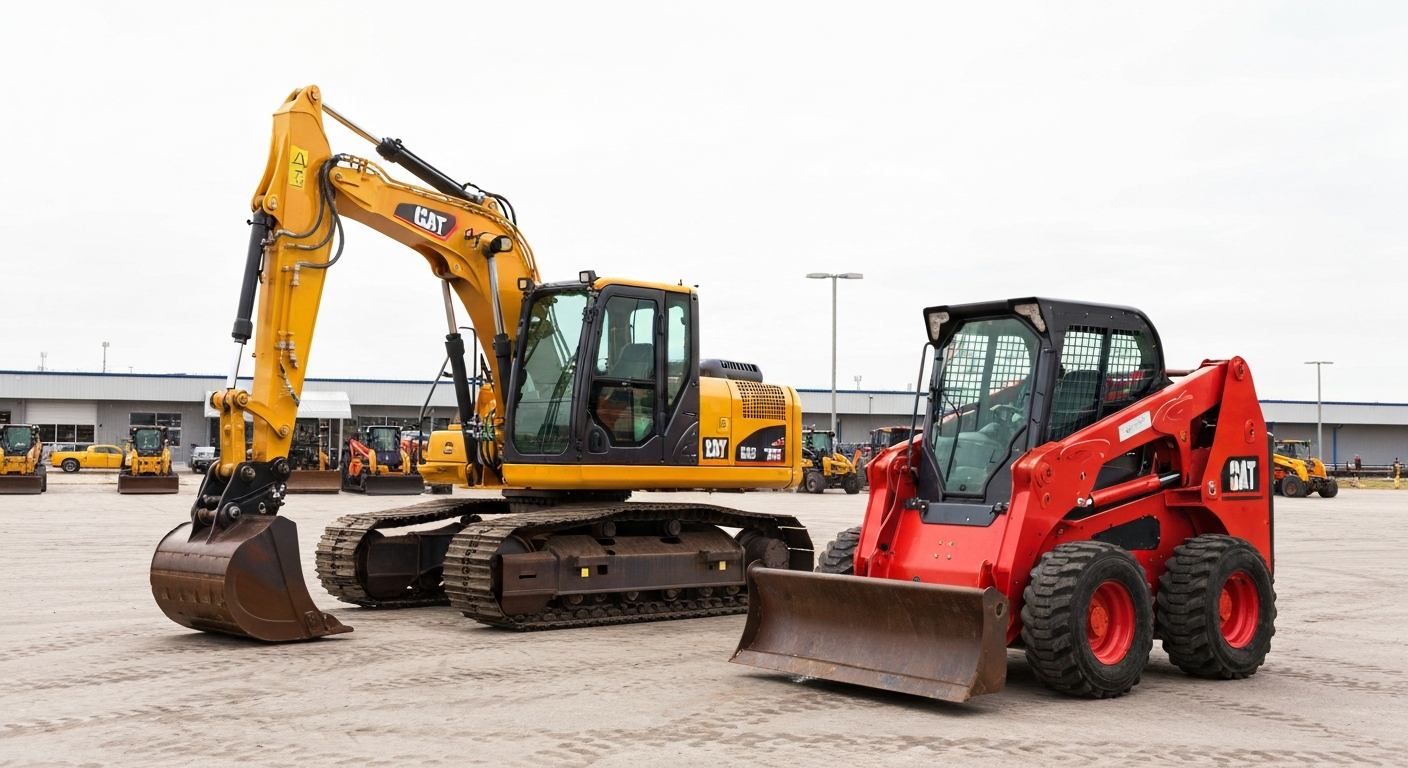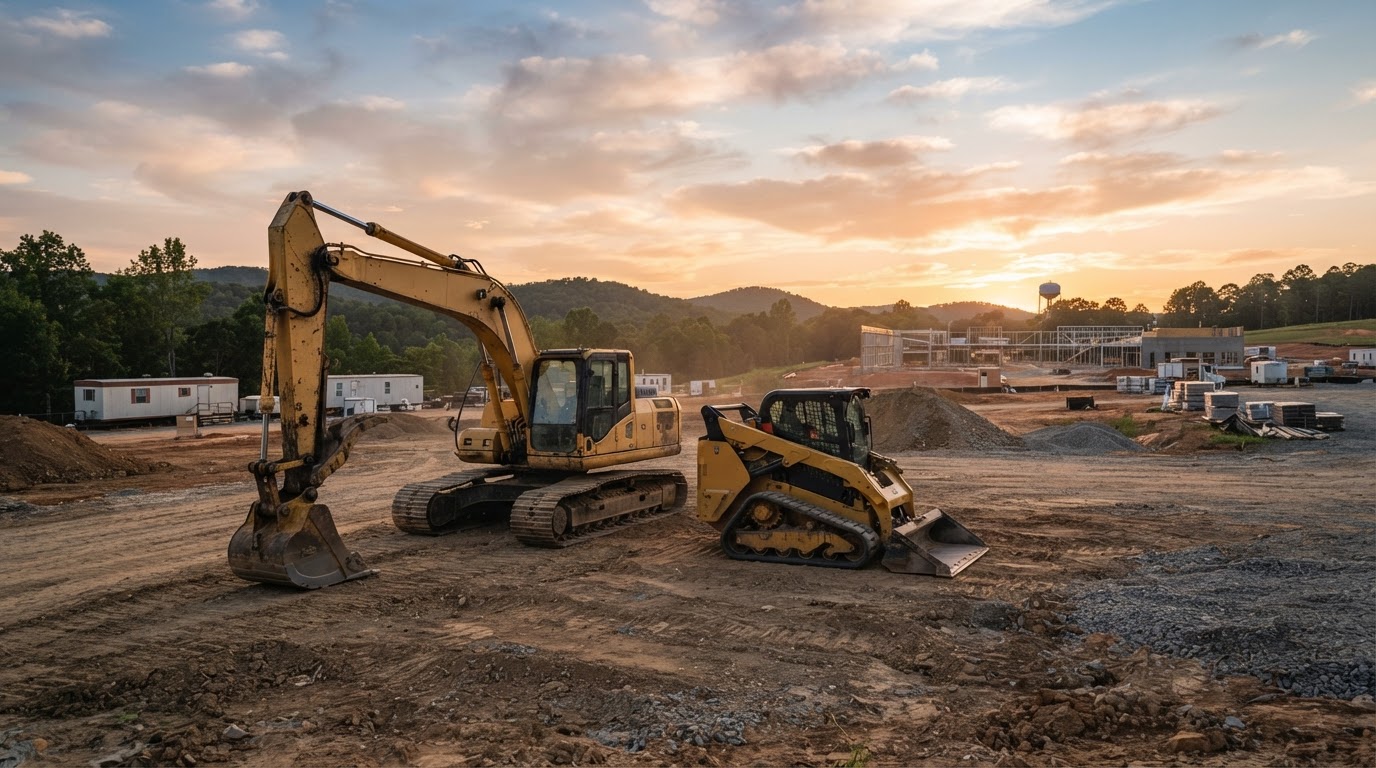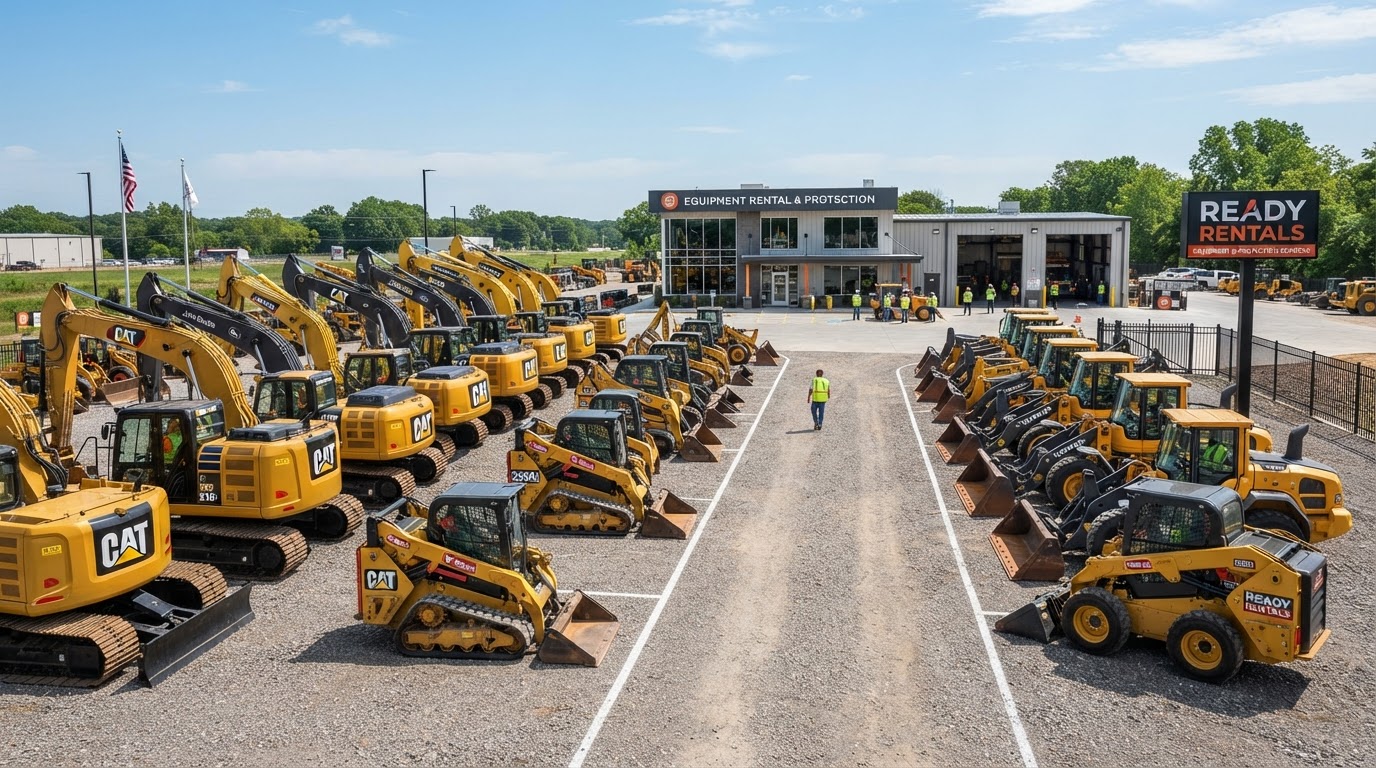
A $150,000 excavator rolls off your lot on a Friday morning rental. The renter says they have insurance. By Monday, the machine is back with a cracked boom, a destroyed hydraulic line, and $40,000 in damage. The renter's business policy excludes rented equipment. Their deductible is higher than the repair cost. You are left holding the bill — and the machine sits in your shop for three weeks instead of generating rental revenue.
This scenario plays out at equipment dealerships across the country every week. The problem is not that renters are dishonest — it is that their insurance is often inadequate, excludes rented equipment, or creates a verification process so slow that the transaction momentum dies at the counter. A structured Equipment Rental Protection Program solves this problem before the first rental goes out.
The Real Problem: Insurance Verification Friction
Most equipment dealers and rental operations face the same challenge at the point of rental: the renter either cannot produce proof of insurance, their policy does not properly cover rented equipment, or the verification process creates delays that kill the transaction. Meanwhile, the dealer is left holding the exposure on a six-figure asset that just drove off the lot with minimal financial protection in place.
Unverified Renter Coverage
Most renters' business policies either exclude rented equipment, carry inadequate limits, or have deductibles that make recovery impractical after a damage event.
Delayed Transactions
Waiting for a renter to contact their agent, get a certificate updated, and fax it back creates friction that costs dealers rental revenue every single week.
Damage Recovery Gaps
Even when a renter has insurance, disputes over coverage, high deductibles, and slow claims processes can leave dealers waiting months to recover the cost of damaged equipment.
Fleet Revenue Loss
Every day a piece of equipment sits in the shop being repaired after an uninsured damage event is lost rental revenue. For high-utilization fleets, this compounds quickly.
How a Rental Protection Program Works
A Rental Loss Damage Waiver (LDW) program is a dealer-administered solution that resolves the insurance verification problem at the point of sale. Rather than requiring the renter to produce their own certificate of insurance, the dealer offers a waiver — backed by a specialty insurance program — that covers physical damage to the rented equipment during the rental period. The cost is typically built into the daily or weekly rental rate.
Backed by A+ Rated Carriers
The TrueGuard Equipment Rental Protection Program is backed by Great American Insurance Group specialty equipment programs — one of the most respected names in construction equipment coverage. This gives dealers confidence that claims will be handled efficiently and that the program meets the financial strength requirements of franchise agreements and equipment finance lenders.
Why You Need It Before the First Rental
Many dealers think about rental protection after their first uninsured loss. By then, the damage is done — the dealer has absorbed the repair cost, lost rental revenue during downtime, and spent weeks chasing a renter's insurance company. Here is why the program needs to be in place from day one:
Day-One Asset Protection
From the moment the first machine leaves your lot, it is covered. No gap, no exposure, no hoping the renter's policy will respond.
Faster Transaction Close Rates
No more waiting for certificates of insurance. The waiver is offered at the counter, built into the rental rate, and the transaction closes immediately.
Eliminated Recovery Friction
When damage occurs, the waiver program handles it. No chasing the renter's insurance, no disputes over coverage, no months-long recovery processes.
Improved Customer Satisfaction
Renters appreciate the simplicity of a single transaction that covers everything they need. No separate insurance verification, no additional phone calls, no delays.
Who This Program Is Designed For
The Business Case: More Than Just Insurance
Dealers who implement a structured rental protection program consistently report three measurable business outcomes: faster transaction close rates at the rental counter, reduced accounts receivable friction on damage recovery, and improved customer satisfaction scores. When protection is built into the rental agreement rather than added as a cumbersome requirement, everyone wins.
What Happens Without It
The $40,000 Repair You Absorb
A renter damages your excavator. Their policy excludes rented equipment. You pay for the repair out of pocket.
Three Weeks of Lost Revenue
The machine sits in the shop. At $2,500/week in rental revenue, that is $7,500 in lost income — on top of the repair cost.
The Transaction You Lost
A walk-in renter could not produce a certificate of insurance. They went to the competitor down the road who offered a damage waiver at the counter.
Frequently Asked Questions
What is an equipment rental protection program?⌄
A dealer-administered solution that covers physical damage to rented equipment during the rental period. Rather than requiring the renter to produce their own certificate of insurance, the dealer offers a waiver backed by a specialty insurance program, with the cost typically built into the daily or weekly rental rate.
How does the damage waiver work?⌄
The dealer offers the waiver at the point of rental. The cost is built into the rental rate. If the equipment is damaged during the rental period, the waiver program covers the physical damage, eliminating the need to chase the renter's insurance for recovery.
Who backs the TrueGuard rental protection program?⌄
The program is backed by Great American Insurance Group specialty equipment programs, providing A+ rated financial strength and efficient claims handling.
Can I add this to my existing rental operation?⌄
Yes. TrueGuard can help you structure a rental protection program that integrates with your existing rental workflow. Contact us to discuss your operation and we can help determine the right approach.
The Bottom Line
Every machine that leaves your lot on a rental is a six-figure asset exposed to operator error, jobsite damage, and unpredictable conditions. The question is not whether damage will happen — it is whether you will be protected when it does. A structured Equipment Rental Protection Program ensures that when damage occurs, the repair is covered, the revenue keeps flowing, and the transaction stays simple for both you and your customer.
Do not wait for the first uninsured loss to put this program in place. By then, you have already absorbed the cost, lost the revenue, and spent weeks chasing a recovery that may never come.