The Fleet Owner's Guide to Scaling Trucking Insurance
Table of Contents
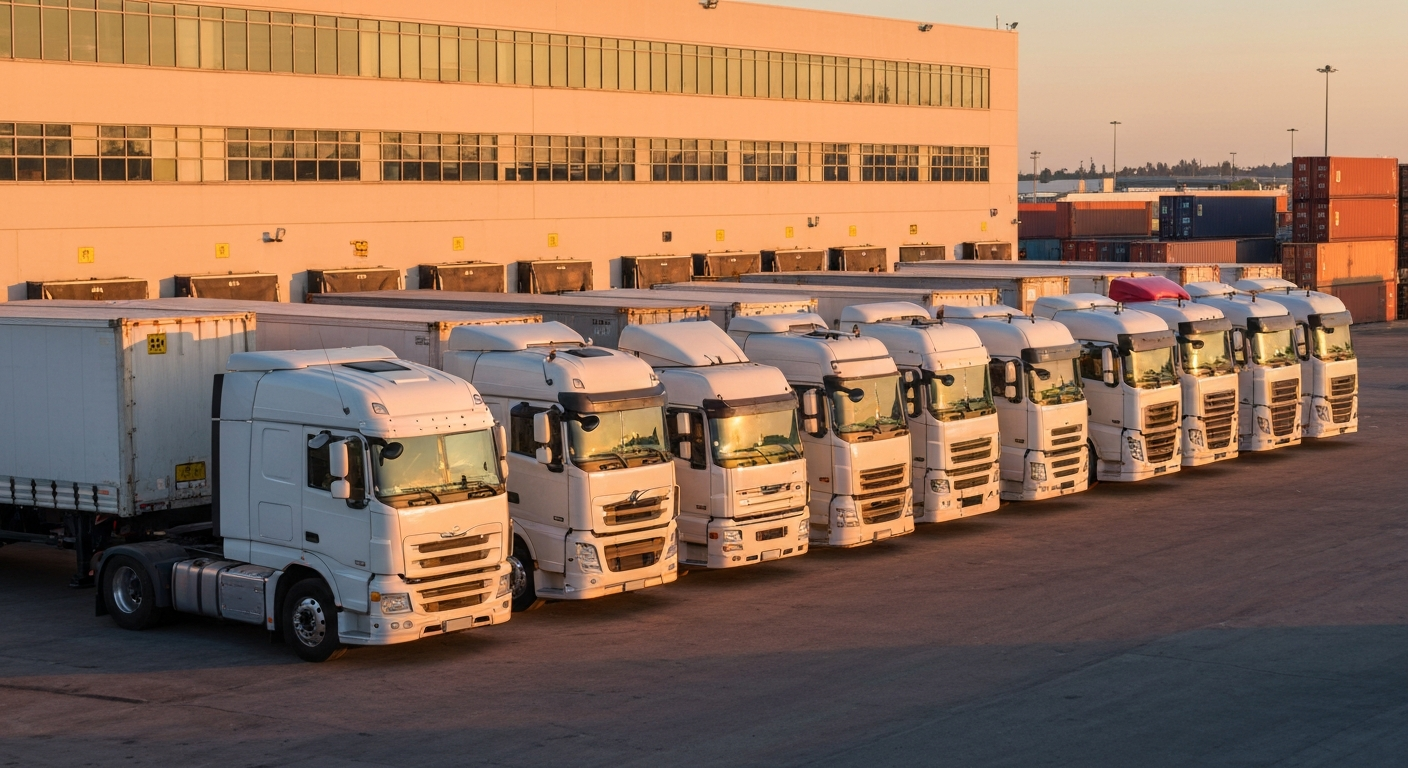
Transitioning from an owner-operator with a single truck to a fleet owner managing multiple units and drivers is the most dangerous phase of growth for a motor carrier. As your revenue scales, your liability exposure scales exponentially.
Why Standard Commercial Auto Is Not Enough
Many new carriers make the critical mistake of assuming a basic commercial auto policy covers their growing trucking operation. It does not. Trucking operations face unique exposures - interstate commerce regulations, FMCSA filing requirements, cargo liability, and multi-state jurisdiction issues - that require a purpose-built trucking insurance program from a specialty carrier.
Primary Auto Liability
The foundation of your coverage. Required by the FMCSA for active authority. Covers bodily injury and property damage if your driver is at fault in an accident.
Motor Truck Cargo
Protects the freight you are hauling. As you scale and take on higher-value loads or specialized freight (like reefer or hazmat), your cargo limits must scale accordingly.
Managing Mid-Term Additions
When you buy a new truck, you need it on the road generating revenue immediately. A slow insurance broker will cost you thousands in lost revenue. You need a broker who understands fleet mechanics and can process unit additions, driver approvals, and updated certificates of insurance within hours, not days.
Structuring Your Commercial Auto Liability
When you operate a single truck, a standard $1,000,000 primary liability policy is usually straightforward. However, as you add units, you must consider fleet policies. Fleet insurance often provides a single policy covering all vehicles, which simplifies administration and can offer per-unit discounts.
Scheduled vs. Any Auto
Ensure you understand whether your policy covers only scheduled (specifically listed) vehicles or "any auto" used for your business. For growing fleets, "any auto" coverage prevents dangerous gaps if a new truck is put into service before the paperwork catches up.
Higher Limits
Multi-truck operations often face higher scrutiny in the event of an accident. Consider excess liability or commercial umbrella policies to protect your growing assets.
Mastering FMCSA and State Filings
Compliance is the backbone of a successful fleet. The Federal Motor Carrier Safety Administration (FMCSA) requires specific filings to prove financial responsibility.
- MCS-90 Endorsement: This is not insurance, but a guarantee to the public that your company has the financial means to cover public liability and environmental restoration.
- Form BMC-91X: Required for interstate carriers, this form is filed directly by your insurance broker to the FMCSA.
- State-Specific Filings: Depending on your garaging state and radius of operation, you may need Form E, Form H, or other intrastate filings. Partnering with a broker who understands these nuances prevents costly out-of-service orders.
Scaling Motor Truck Cargo Coverage
As you take on larger contracts and diverse freight, your cargo coverage must adapt. A standard $100,000 cargo limit might cover general dry van freight, but hauling specialized goods (like electronics, pharmaceuticals, or refrigerated items) requires targeted endorsements.
Always review the commodities exclusions in your policy. If your new driver accepts a load of copper wire and it is excluded, your company is on the hook for the entire loss.
Implementing Driver Safety and Hiring Protocols
Your insurance premiums are heavily dictated by your driver roster. As you scale, you cannot afford to hire drivers with poor MVRs (Motor Vehicle Records).
Strict Hiring Criteria
Establish a minimum requirement for years of experience and maximum allowable violations.
Continuous Training
Implement dash cams and telematics. Many carriers offer significant premium discounts for fleets utilizing forward and inward-facing cameras.
Ready to Scale Your Fleet Securely?
Don't let inadequate coverage bottleneck your growth. TrueGuard Insurance specializes in robust, scalable solutions for growing motor carriers across multiple states.
Get a Comprehensive Fleet Review Today
About the Author: Matt Nelson
Matt Nelson is the Founder of TrueGuard Insurance and a licensed insurance professional with over 15 years of experience in commercial trucking and equipment finance and insurance. He specializes in structuring risk management programs for personal lines, commercial operations, trucking, construction equipment, and dealer programs.
As a dedicated advocate for his clients, Matt is committed to upholding the highest industry standards of ethics and transparency, aligning with the principles of respected industry bodies like the National Association of Insurance Commissioners (NAIC). He helps individuals and businesses across multiple states make informed, strategic insurance decisions.