The Fleet Owner's Guide to Commercial Trucking Insurance
Table of Contents
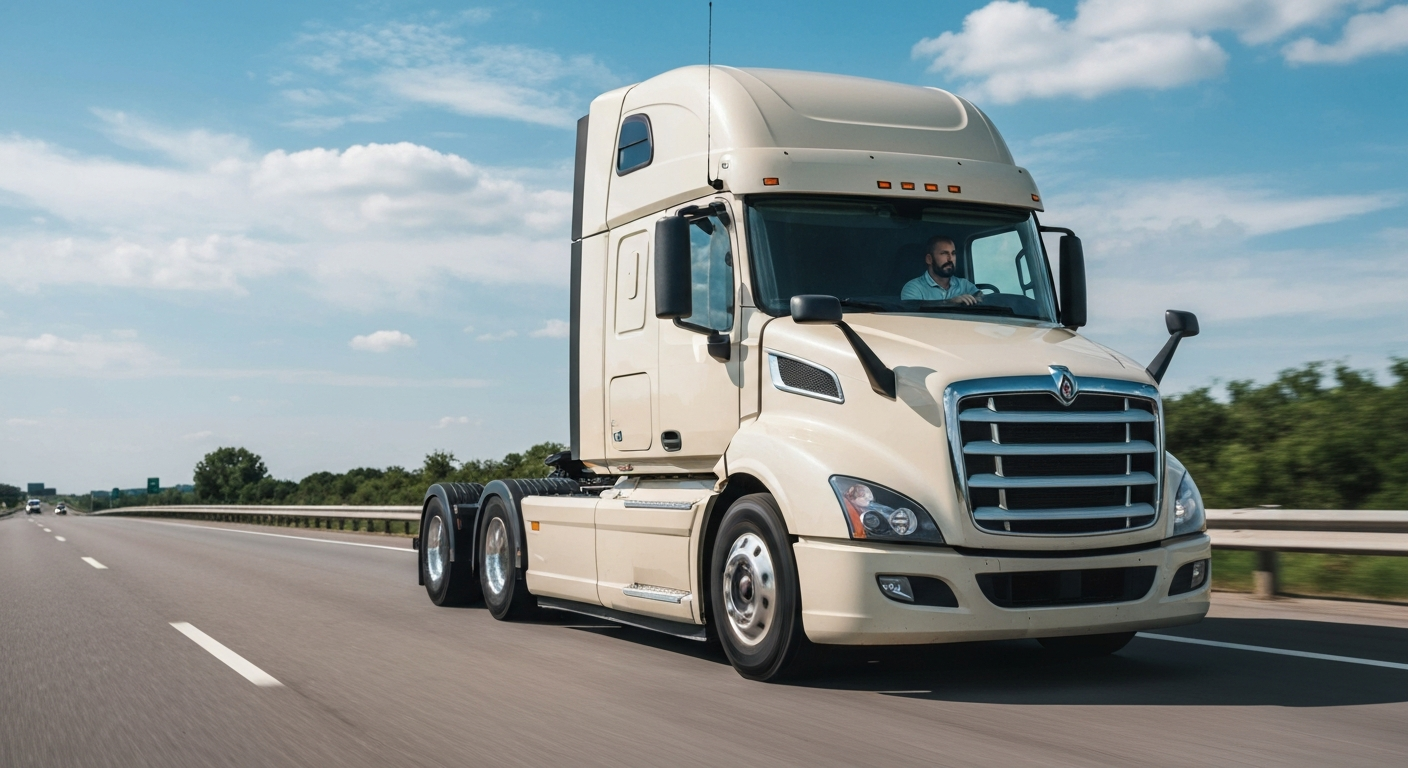
Whether you operate a single owner-operator rig or a growing fleet of 50 trucks, commercial trucking insurance is one of the most complex and consequential purchases your operation will make. The wrong coverage structure can expose your business to catastrophic liability. The right one protects your drivers, your cargo, your equipment, and your company's financial future.
Why Standard Commercial Auto Is Not Enough for Trucking
Many new carriers make the critical mistake of assuming a basic commercial auto policy covers their trucking operation. It does not. Trucking operations face unique exposures - interstate commerce regulations, FMCSA filing requirements, cargo liability, and multi-state jurisdiction issues - that require a purpose-built trucking insurance program from a specialty carrier. A standard commercial auto policy will leave massive gaps that could cost you everything in a serious loss event.
Primary Liability (MCS-90)
Required by the FMCSA for interstate carriers. Covers bodily injury and property damage to the public caused by your truck. Minimum limits vary by commodity type, ranging from $750,000 to $5,000,000.
Motor Truck Cargo
Protects the freight you are hauling against loss or damage. Shippers will require you to carry this, and without it, a single load loss can wipe out months of profit.
Physical Damage
Covers your tractor and trailer against collision, theft, fire, and vandalism. If you have a loan or lease on your equipment, your lender requires this coverage at replacement cost.
Non-Trucking Liability
Also called "bobtail" coverage. Protects owner-operators when driving their truck for personal use outside of a motor carrier's dispatch - a critical gap many miss entirely.
Understanding FMCSA Compliance Requirements
The Federal Motor Carrier Safety Administration (FMCSA) imposes specific insurance filing requirements on all interstate motor carriers. Before your authority is activated, you must file proof of financial responsibility through approved insurance filings. For most general freight carriers, this means maintaining a minimum of $750,000 in primary liability. Carriers hauling hazardous materials or passengers are subject to significantly higher minimums - up to $5 million.
Specialty Broker Insight: Getting Your DOT Authority Right
New carriers often underestimate the complexity of getting their authority established correctly. A specialty trucking broker will not only place your coverage but ensure your filings (Form BMC-91 or BMC-91X) are properly submitted to the FMCSA so your authority is not placed out of service. This is where working with a program specialist versus a general agency makes an enormous difference.
How Fleet Size Affects Your Insurance Structure
Your fleet size directly impacts how your program should be structured and which markets are available to you:
- 1 to 3 Units (Owner-Operator / Micro Fleet): Standard admitted markets are often available. Focus on ensuring your bobtail, cargo, and occupational accident coverage is in place alongside primary liability.
- 4 to 20 Units (Small Fleet): You gain access to fleet rating, which can reduce per-unit costs. Driver qualification files and a safety program become critical to securing favorable terms.
- 20 Plus Units (Mid to Large Fleet): Specialty markets and program carriers become primary. Loss history, driver MVR profiles, and safety management systems heavily influence placement and pricing.
The Cost of Getting It Wrong
A serious trucking accident involving injuries, fatalities, or hazardous spills can generate claims in the millions. Without proper limits, your business assets, personal assets (in some structures), and future earnings are all at risk. Nuclear verdicts in trucking litigation have become increasingly common, making adequate excess and umbrella coverage not just advisable but essential for any serious operation.
Talk to a Trucking Insurance Specialist
TrueGuard specializes in commercial trucking programs for owner-operators and growing fleets. Let us review your current coverage structure and ensure you are properly protected and FMCSA compliant.

Matt Nelson
Founder, TrueGuard Insurance. Licensed professional specializing in commercial trucking, construction equipment, and dealer programs across multiple states.